in : Our Recent Work
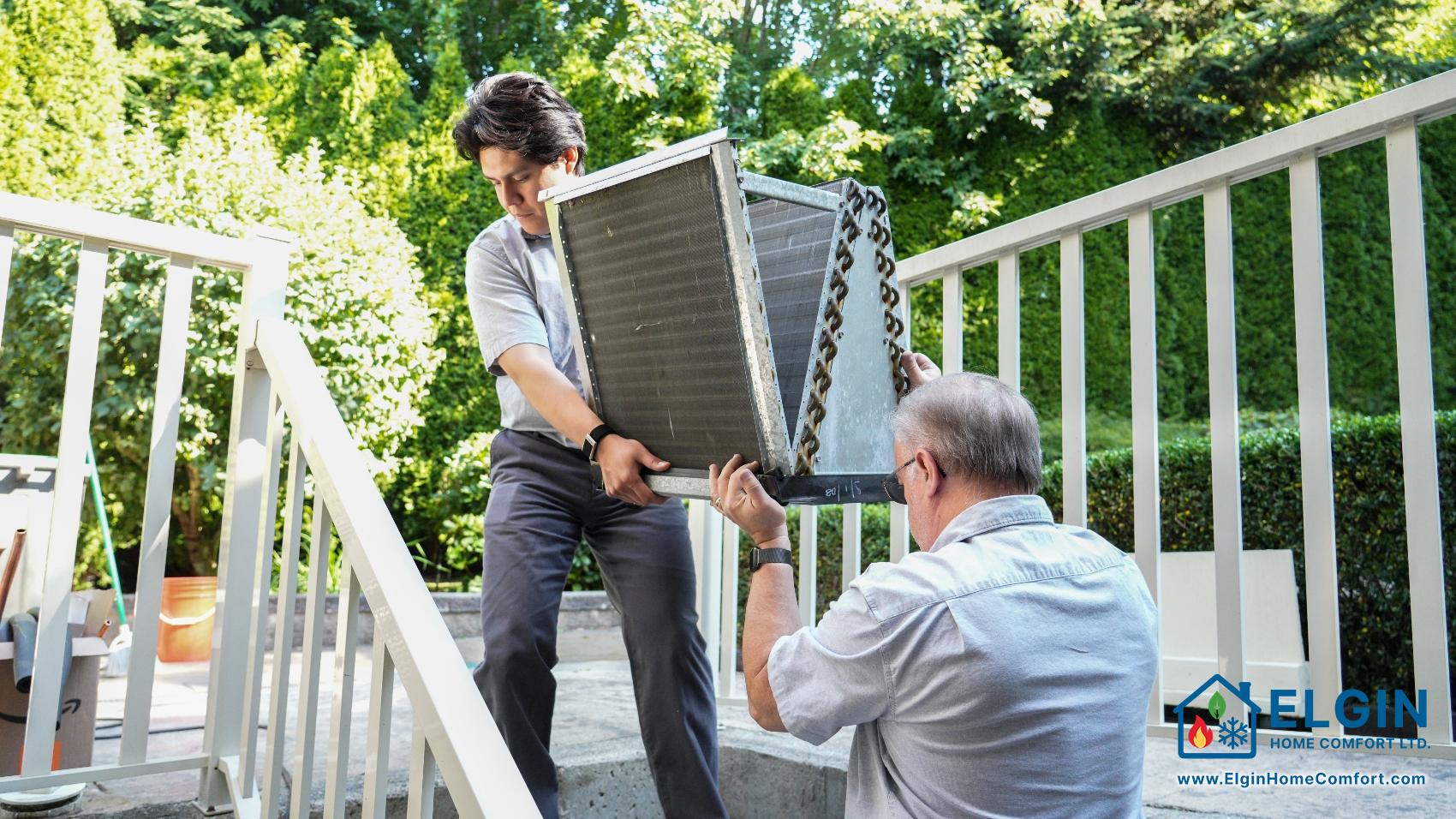
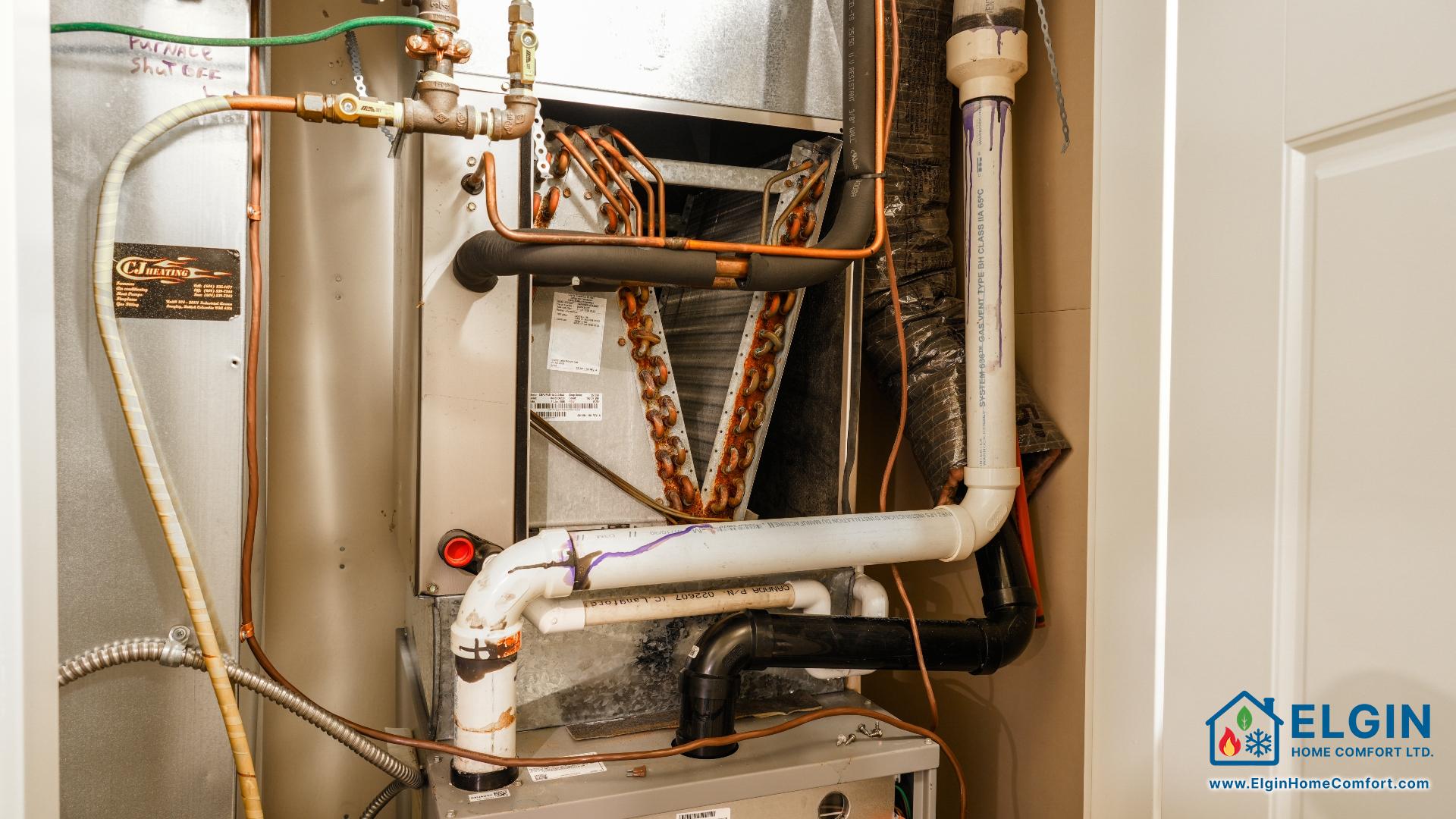
We recently repaired a system with this exact problem. The homeowner called to report that their outdoor air conditioning unit—only a few years old—appeared to be operating perfectly. The compressor and fan were running as expected, yet the indoor temperature continued to climb as the outdoor temperature increased.
Our first recommendation was to turn the air conditioner off and monitor the area around the indoor evaporator coil for signs of water. This is a simple but useful diagnostic step. When an evaporator coil develops a refrigerant leak, the drop in refrigerant pressure causes the coil to become excessively cold, allowing ice to form on the coil and refrigerant lines. Once the system is shut off, the ice melts, often resulting in water dripping from the coil or a puddle on the floor.
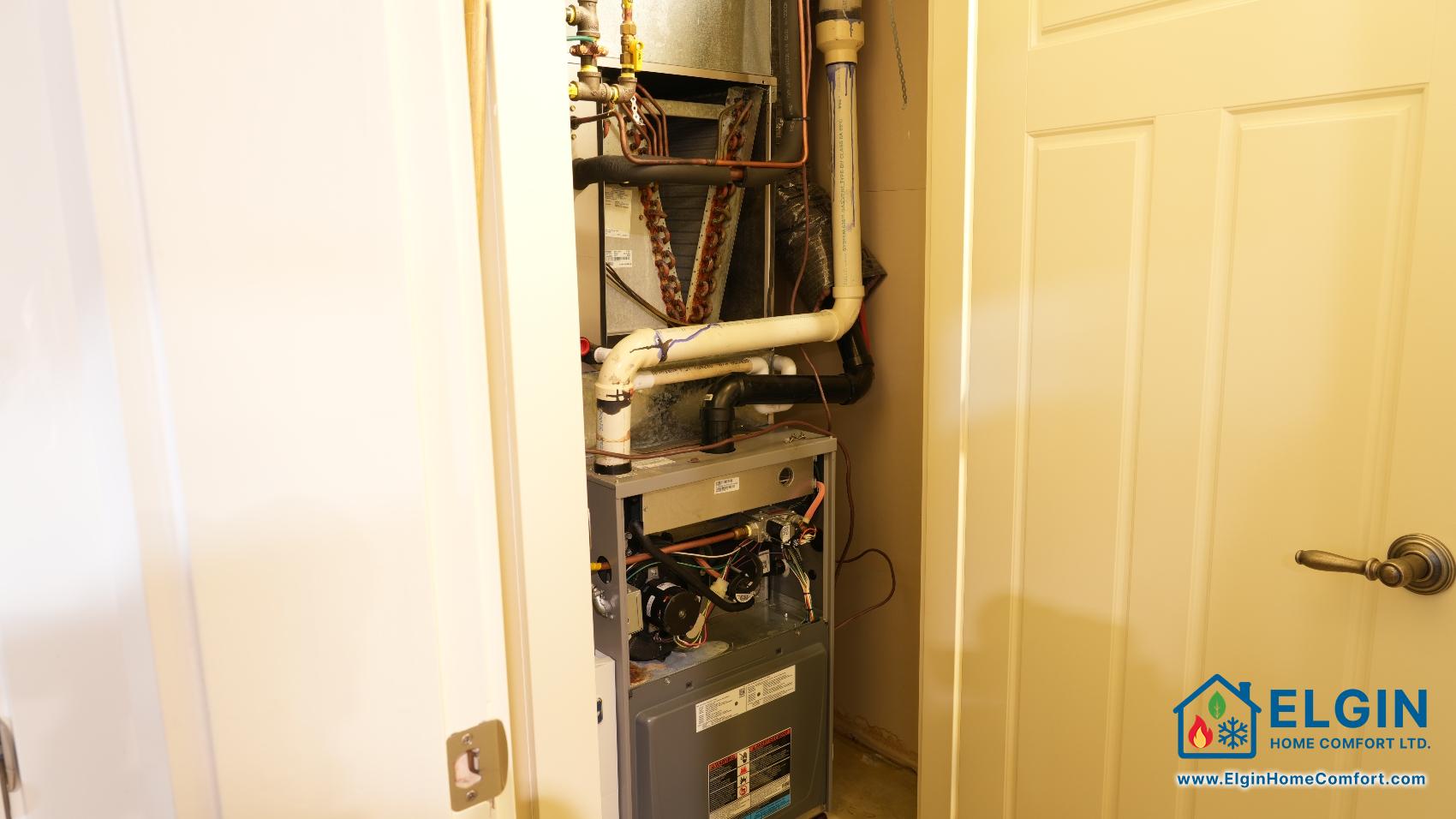
A few hours later, the customer called back to report that the utility room floor was wet and water was dripping from the evaporator coil located above the furnace—an indication that the coil had indeed frozen over.
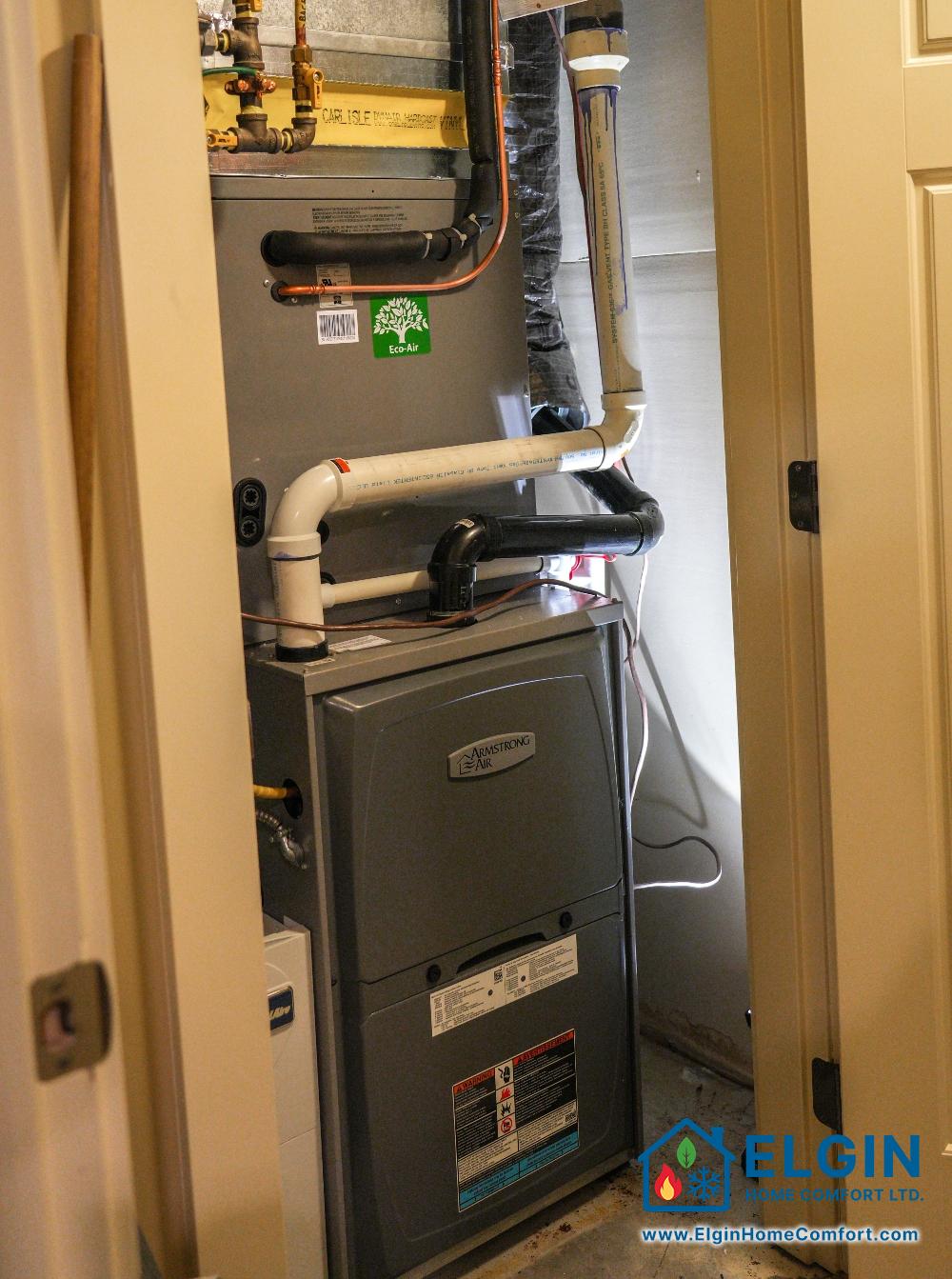
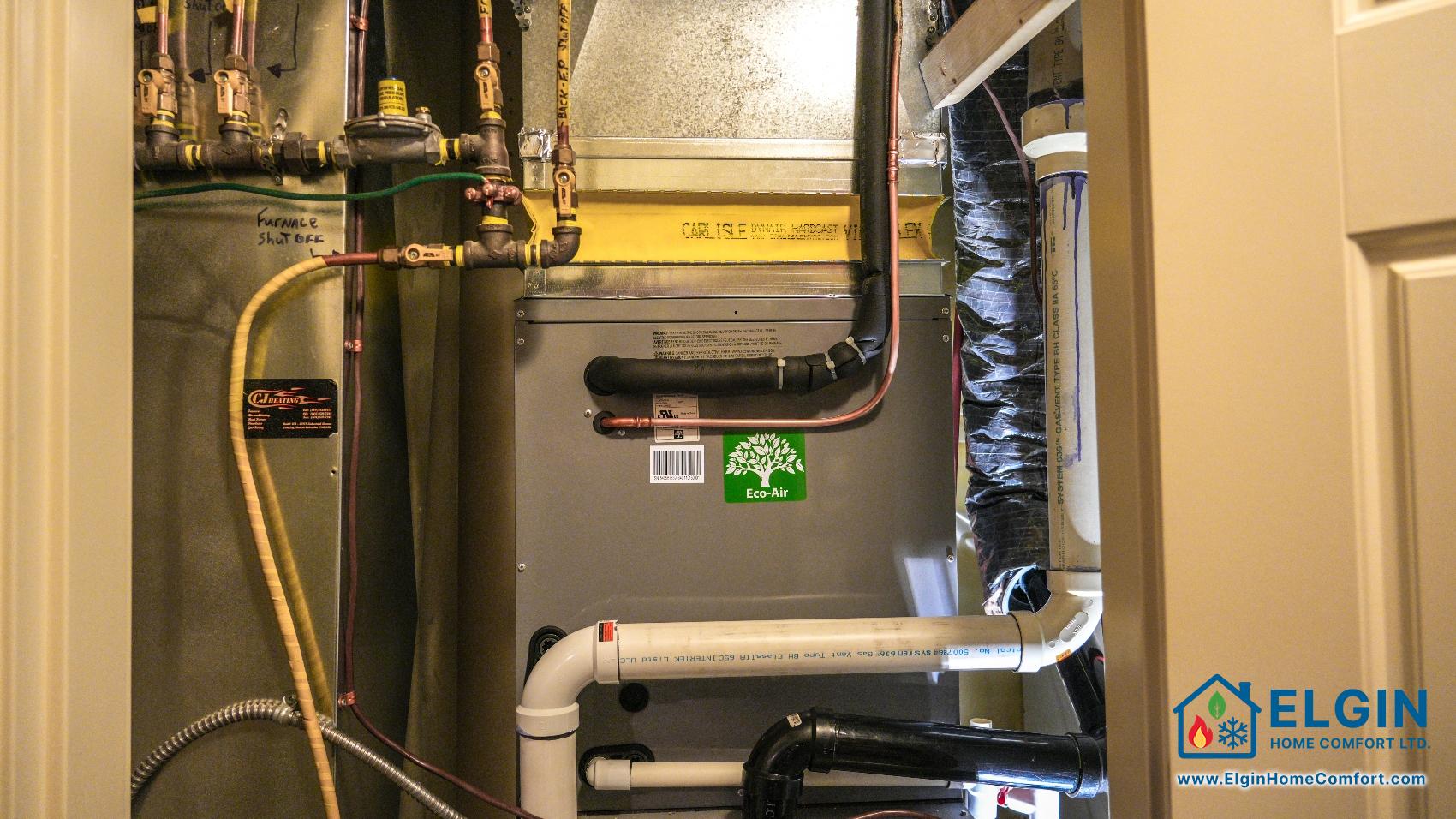
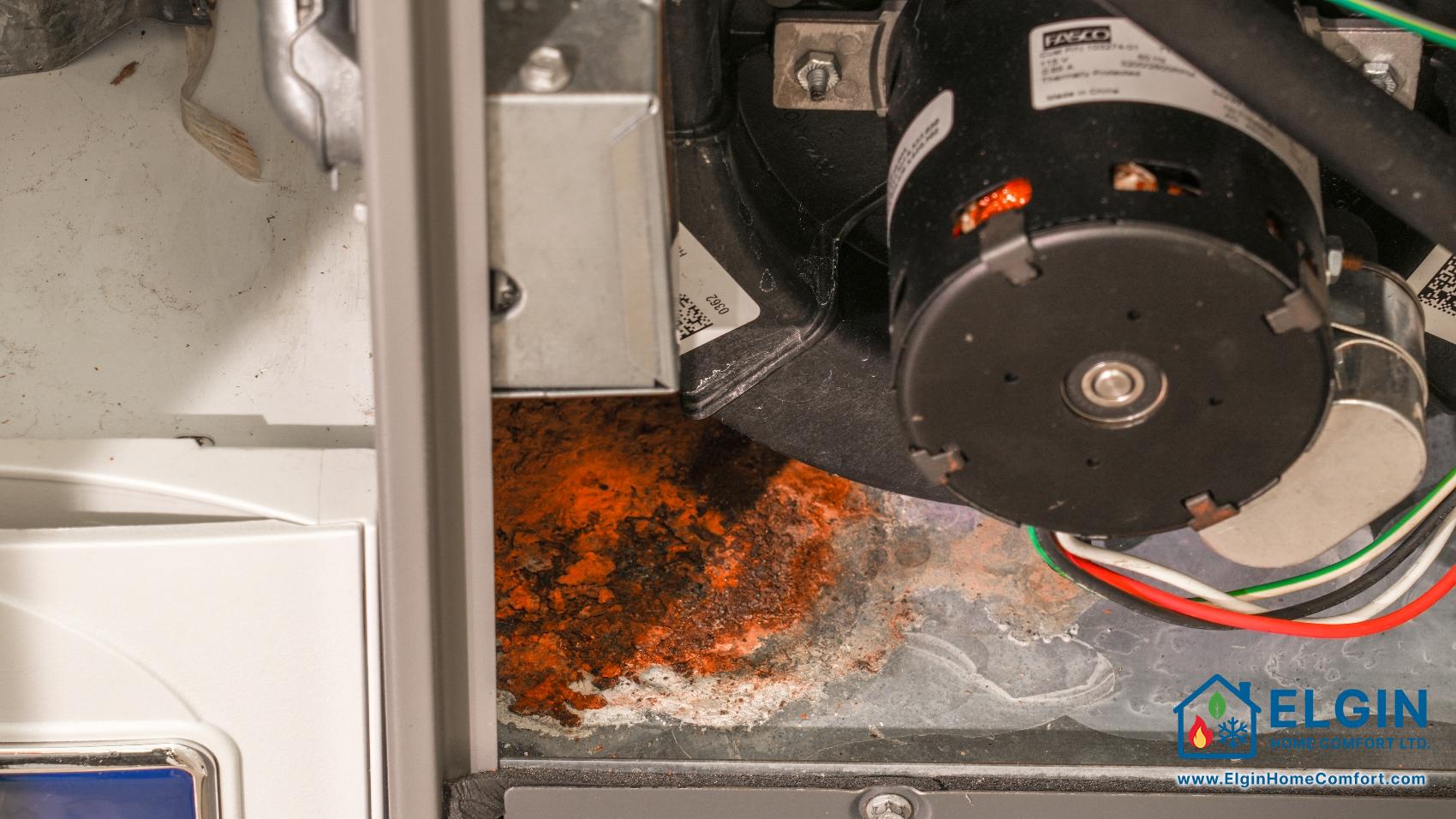
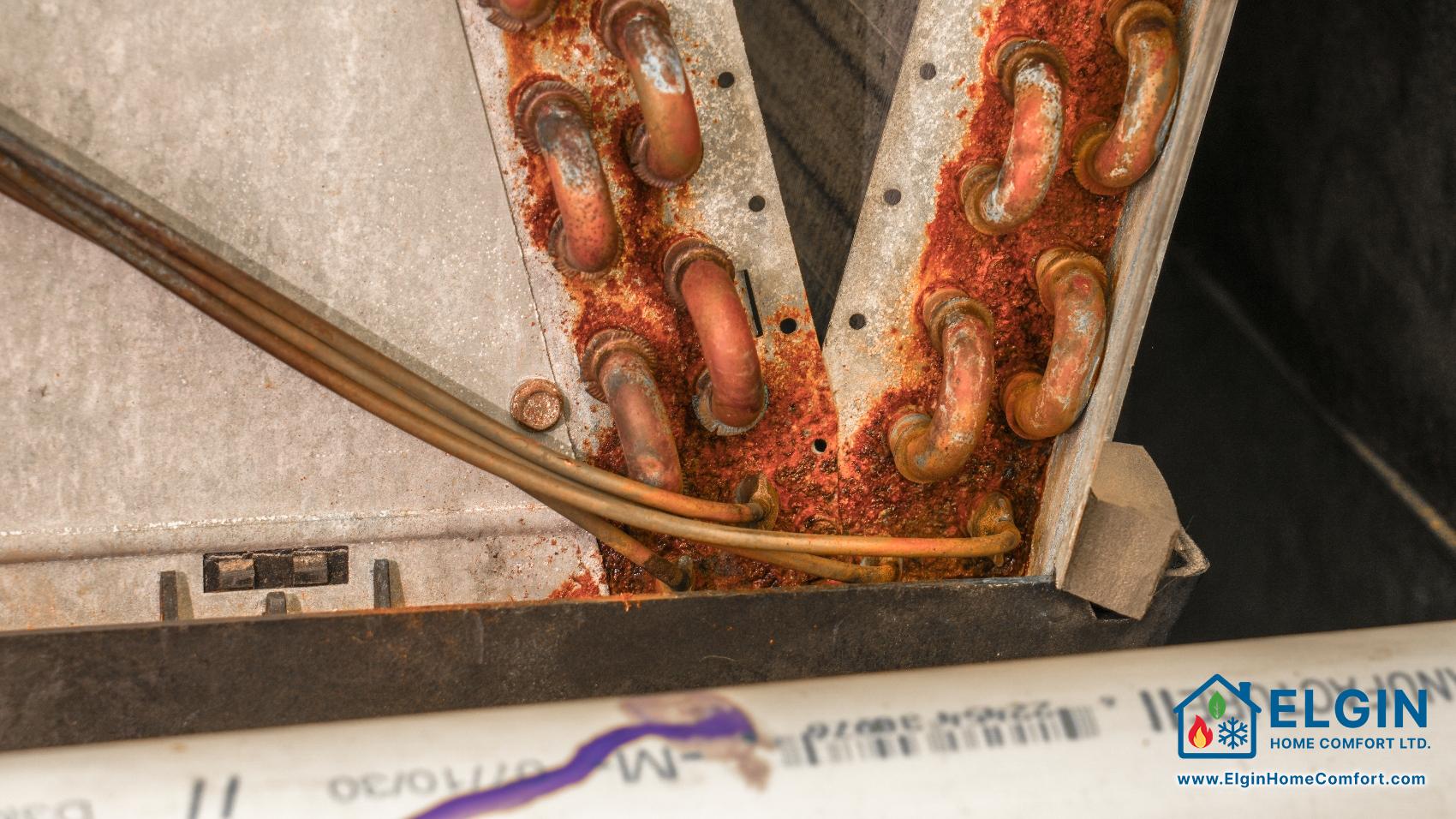
After a thorough inspection, we found the source of the problem. The evaporator coil had developed numerous pinhole leaks caused by corrosion, allowing refrigerant to slowly escape over time. Because the leak had likely been present for quite a while, condensation had also caused significant rust on the furnace cabinet beneath the coil. At this point, replacing the evaporator coil was the only reliable solution.
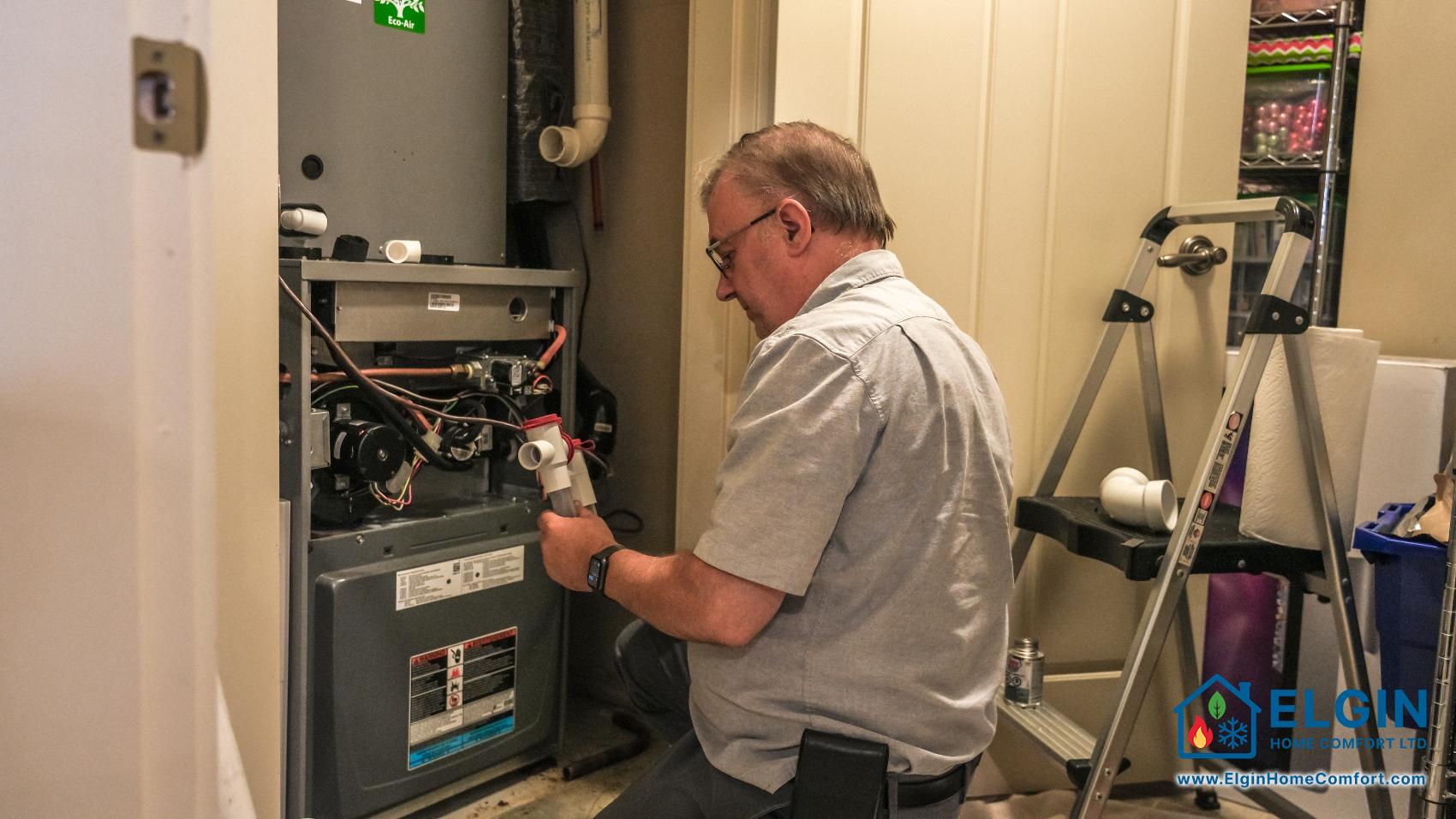
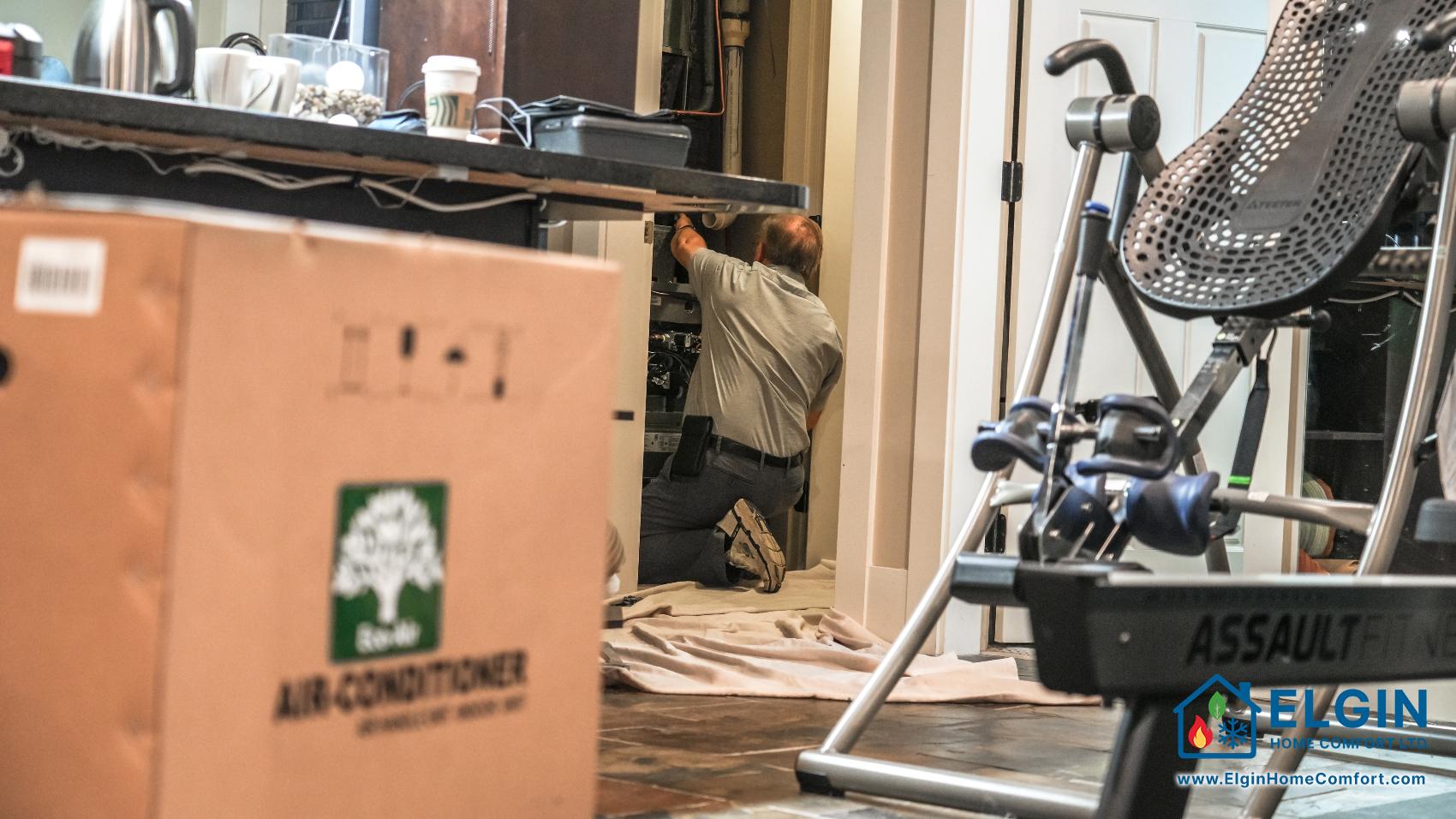
While removing the old coil, we discovered another serious safety concern: the furnace exhaust vent pipe had never been properly glued together. A loose exhaust vent can separate during operation, potentially allowing dangerous carbon monoxide to enter the home. We secured the vent correctly before completing the installation, ensuring the heating system was safe to operate.
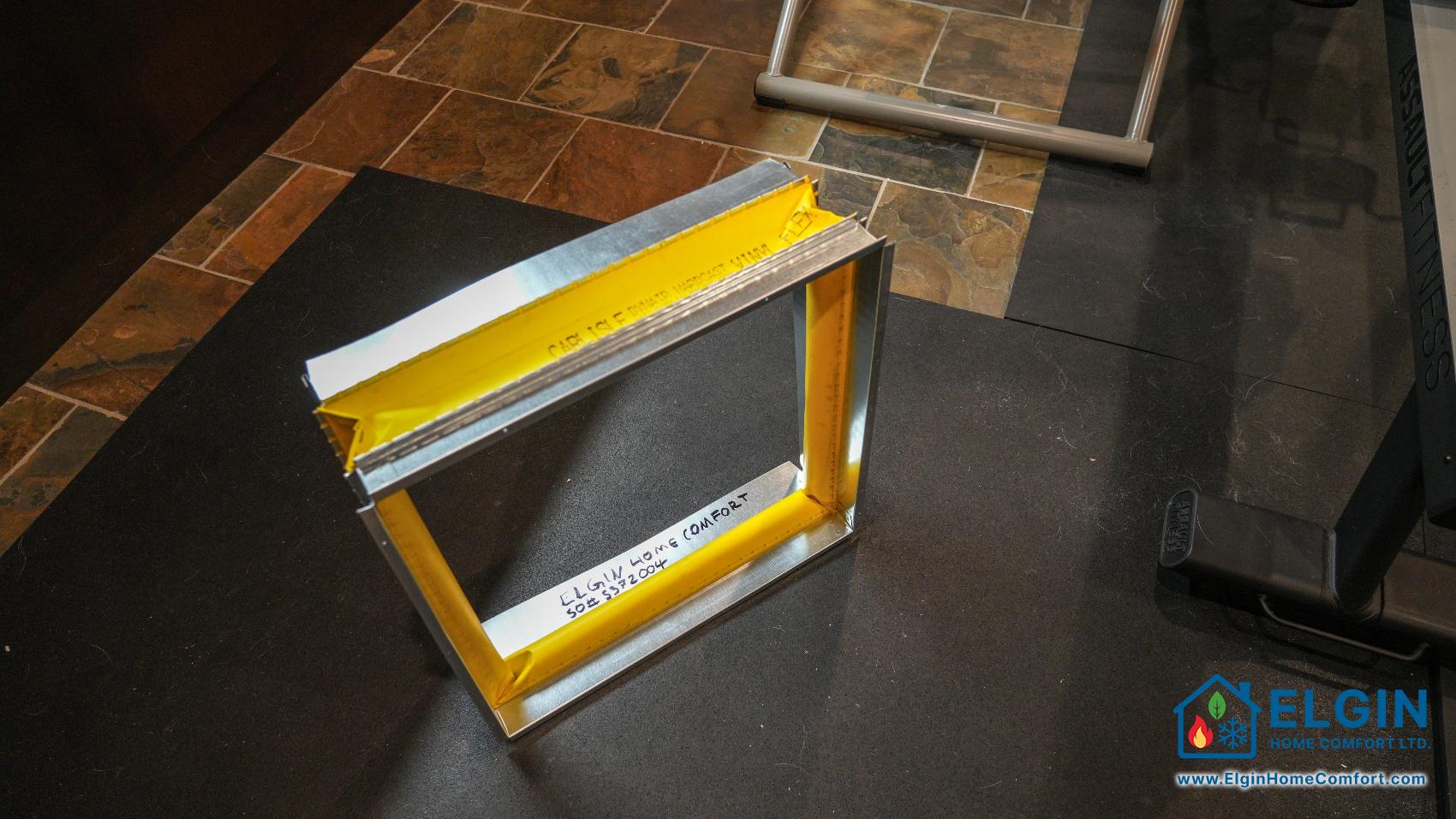
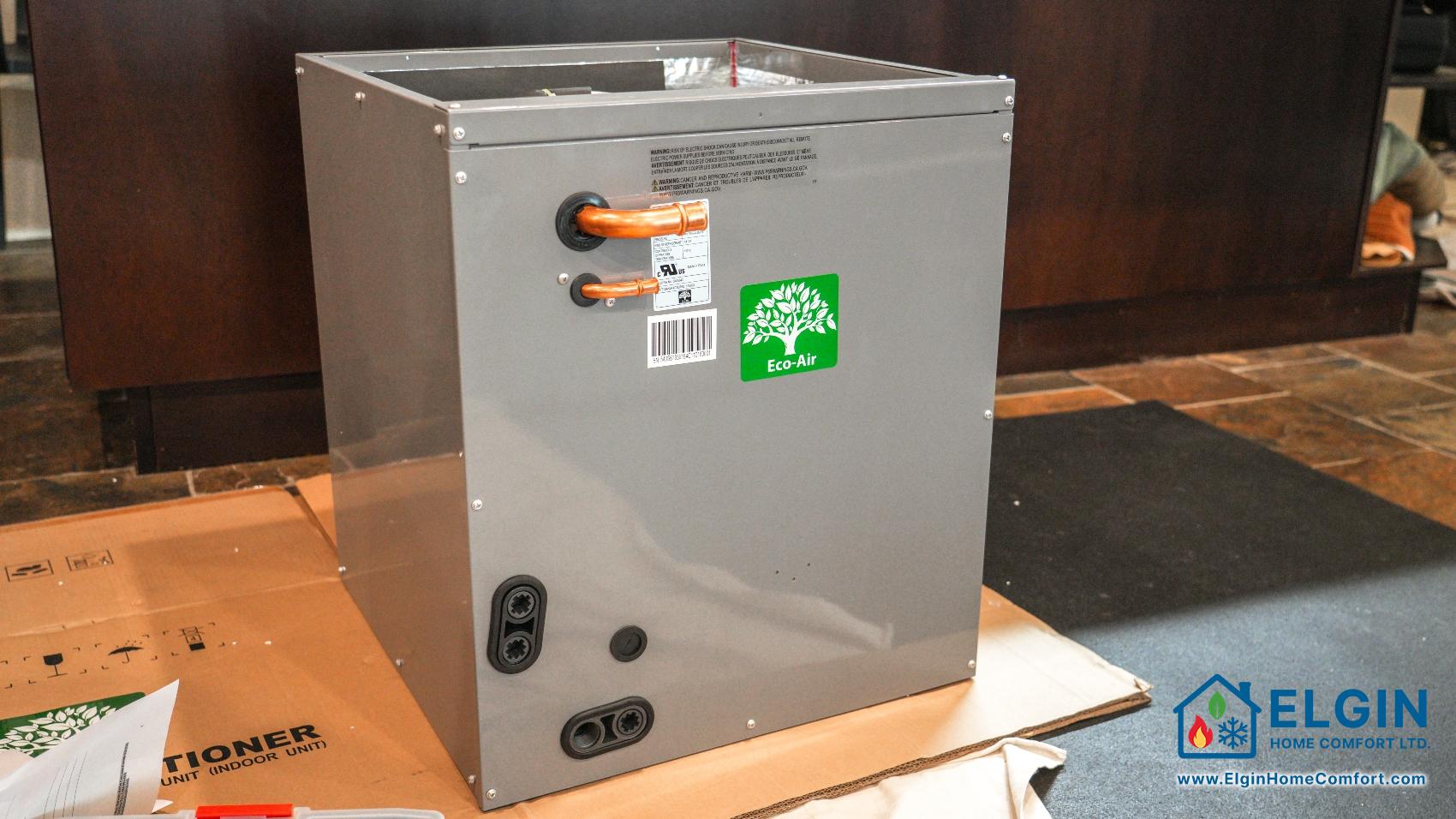
We then installed a new 48,000 BTU (4-ton) Eco-Air evaporator coil, carefully matched to the existing Armstrong outdoor air conditioning unit for proper system performance and efficiency. Because every installation is different, we also fabricated custom sheet metal transitions to ensure a proper fit and optimal airflow.
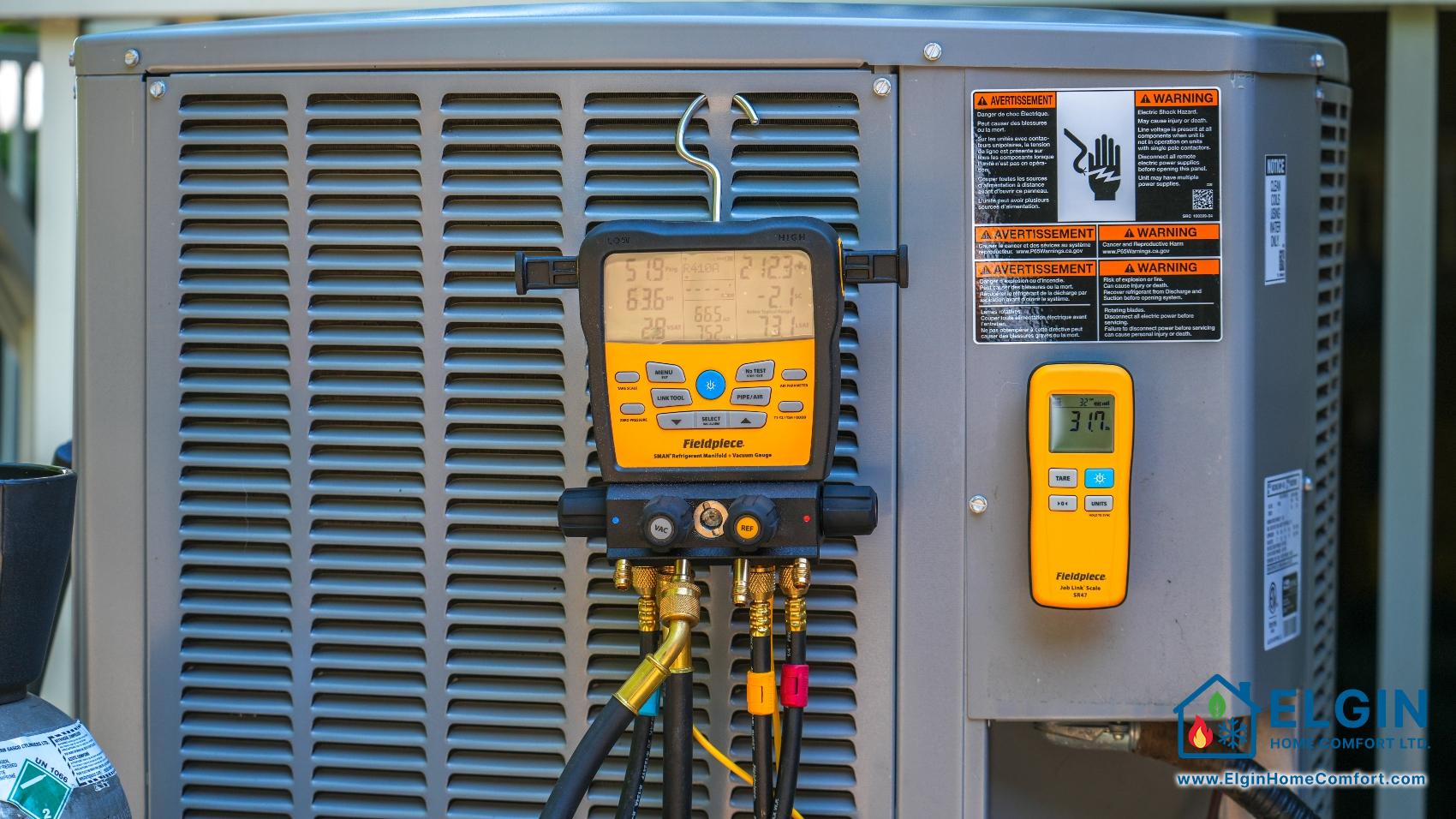
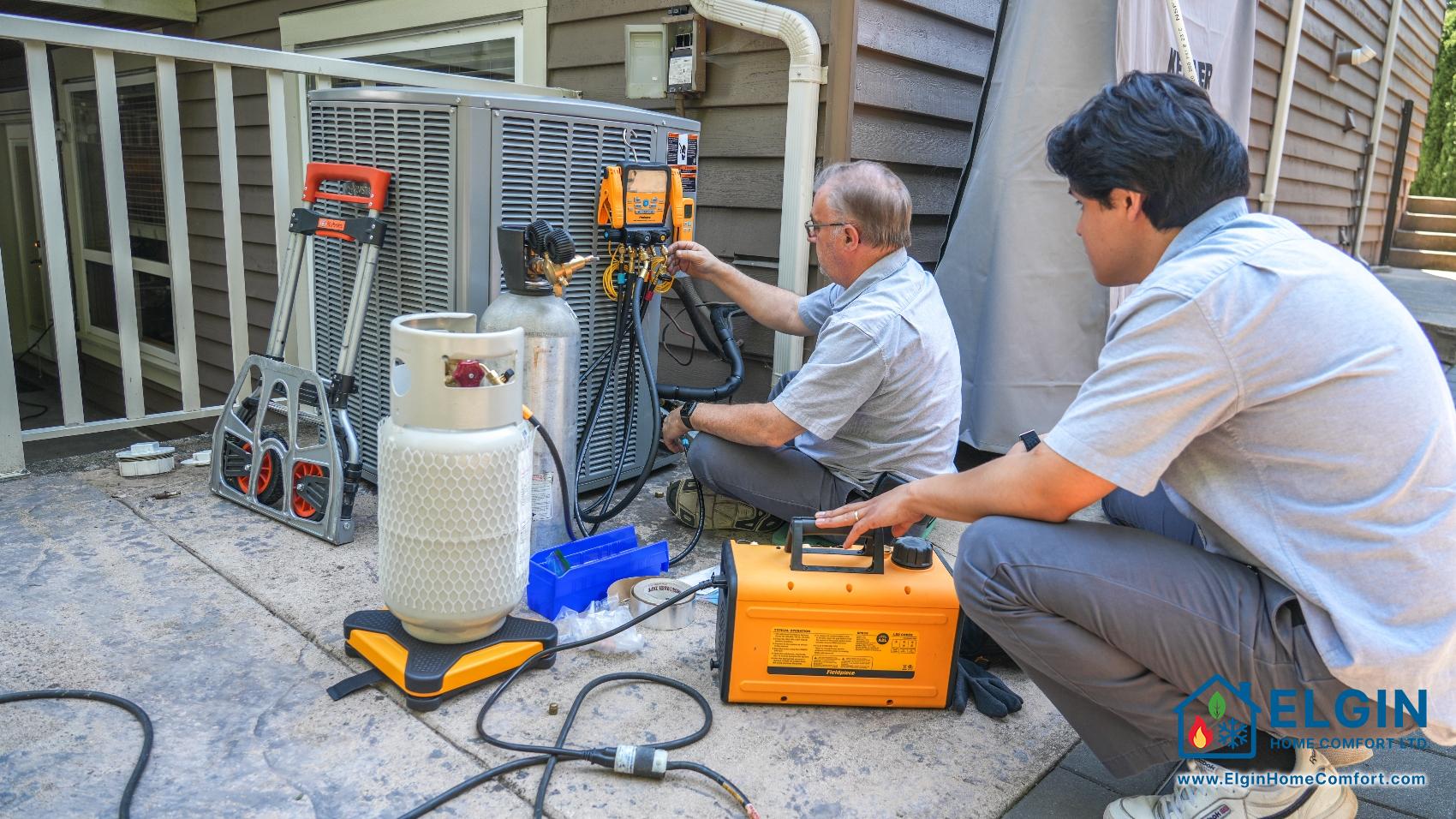
Once the indoor installation was complete, we performed all of the required refrigeration procedures on the outdoor unit:
If your air conditioner is experiencing any of the following symptoms, it's a good idea to have it inspected by a qualified HVAC technician:
Ignoring these warning signs can lead to compressor damage, higher repair costs, reduced efficiency, and even premature system failure.
If your air conditioner is showing any of these symptoms, don't wait until it stops cooling completely. A professional inspection can identify the root cause, prevent further damage, and restore your home's comfort before a small refrigerant leak becomes a major repair.

14167 28A Ave
Surrey, BC, V4P 2H8
Tel: